
Delta State Property Tax: What Every Property Owner Needs to Know
The Delta State Property Tax Law introduced a clear framework for property assessment. Understanding how it works is essential for every non-residential property owner in the state.
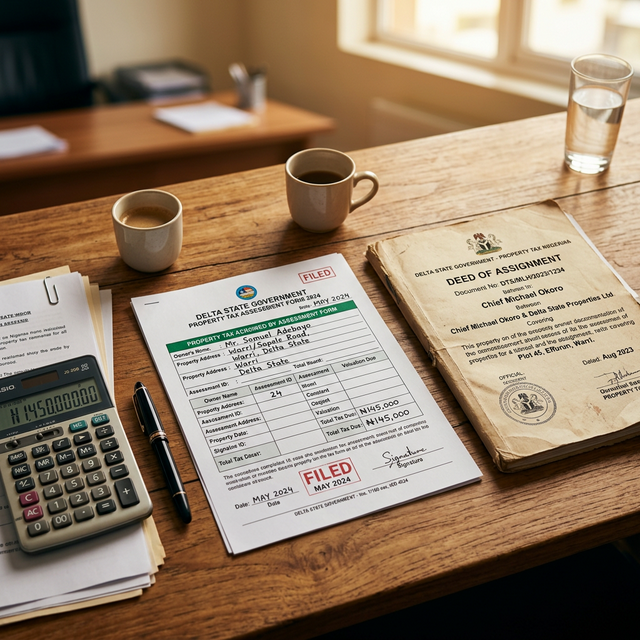
The Delta State Property Tax Law establishes a formal and structured system for the annual assessment and collection of property taxes, primarily targeting non-residential properties such as commercial buildings, shopping plazas, warehouses, and industrial facilities. The law aims to generate consistent state revenue while also incentivizing proper development of assessed properties.
Under the law, the assessment of the taxable value of a property is carried out by the State Board of Internal Revenue, in collaboration with state-approved professional valuers. The tax is calculated based on the annual rental value of the property, which is the estimated rent the property could reasonably command on the open market. Property owners are required to submit an accurate declaration of their property's value annually to facilitate a fair assessment.
The law provides clear exemptions for certain categories of property. These typically include properties owned and used exclusively by government agencies, charitable organizations and registered religious bodies, and residential properties occupied by the owner. Agricultural lands that are actively under cultivation may also qualify for exemptions in specific circumstances.
If a property owner disagrees with the valuation issued by the State Board, the law establishes a formal appeals process. An objection must be filed in writing within 30 days of receiving the assessment notice, and an independent review panel will adjudicate the dispute. Property owners are strongly advised to keep accurate records of rental incomes, maintenance expenditures, and related financial data to support any appeal.
Related reading:
Have Questions About Property Tax?
The DSPPPPA can connect you with the appropriate agencies for property assessment queries and payment guidance in Delta State.
Contact Us