Understanding Your Property Rights in Delta State
Every property owner and tenant in Delta State has fundamental legal rights that protect them from exploitation and illegal interference. Here is what you need to know.

Property rights in Delta State are governed by a combination of federal law, most notably the Land Use Act of 1978, and state-level legislation including the Public and Private Properties Protection Law of 2018. Together, these laws define what you can and cannot do on land you own, lease, or occupy — and they establish strong protections against unlawful interference.
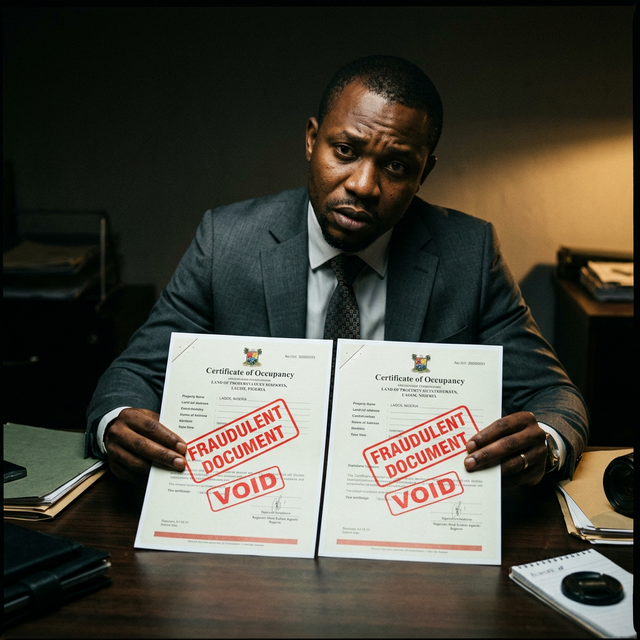
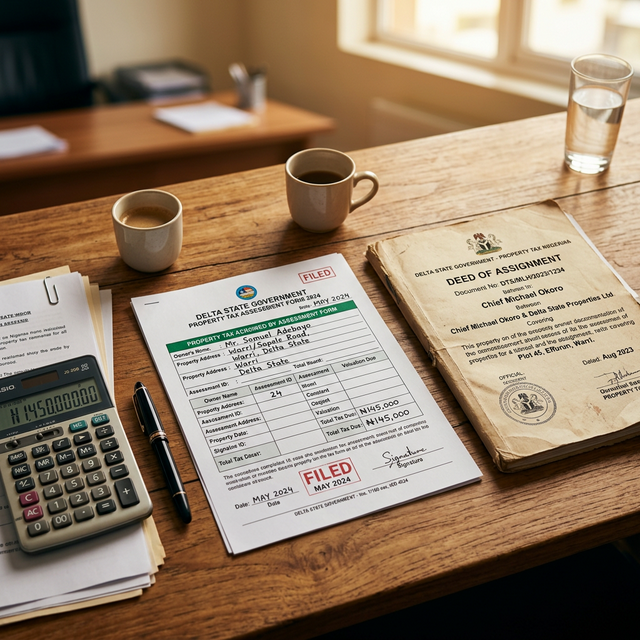
One of the most fundamental rights a property holder in Delta State possesses is the right of 'quiet enjoyment.' This legal principle means that, as long as you have valid occupancy rights — whether through a Certificate of Occupancy (C of O), a lease agreement, or a deed of assignment — no person, community group, or organization may interfere, obstruct, or trespass on your property without due legal process.
The Delta State Public and Private Properties Protection Agency (DSPPPPA) was specifically established to enforce these rights on the ground. If you believe your property rights are being violated — whether by illegal trespassers, fraudulent agents, or unlawful demolitions — you have the right to report the incident to any DSPPPPA office. The agency is mandated by law to investigate within a reasonable time and take appropriate enforcement action to restore your rights.
Beyond physical security, knowing your rights also means understanding the documentation required to prove ownership. Always ensure your property documents are properly registered at the Delta State Lands Registry in Asaba. An unregistered title, while it may convey some moral claim, does not offer the same legal protection as a formally registered Certificate of Occupancy or a Governor's Consent on a deed of assignment.
Also useful:
Need Legal Assistance on Property Matters?
Contact the DSPPPPA Legal Directorate for guidance on property documentation, dispute resolution, and enforcement actions in Delta State.
Contact Us